The Washington Commanders' defense is under a microscope in 2024 as Dan Quinn pursues a clear defensive identity and a rebound season. For anyone betting on NFL games early in the year — especially in August evans injury prop bets and September — it’s critical to separate hype from value and monitor the metrics that matter rather than fall for the usual lazy narratives. In this detailed overview, I’ll walk you through the key performance indicators of Quinn’s defense that you should track, how early-season market adjustments can influence betting lines, and why coaching and quarterback stability can’t be ignored.
Why Focus on the Commanders' Defense Under Dan Quinn?
Dan Quinn is a well-known defensive mind, but unlike his Atlanta days and his successful stint with the Seahawks, Washington represents a different context. Understanding the nuances here helps tease out betting edges because public perception often diverges sharply from true on-field impact—especially in August and September where preseason results and injury reports cloud the picture.
Most bettors fall into the trap of overweighting preseason box scores or making sweeping conclusions like "Commanders want it more" without digging deeper. I’m here to point you to the metrics that actually offer predictive value for the NFL markets early in the season.
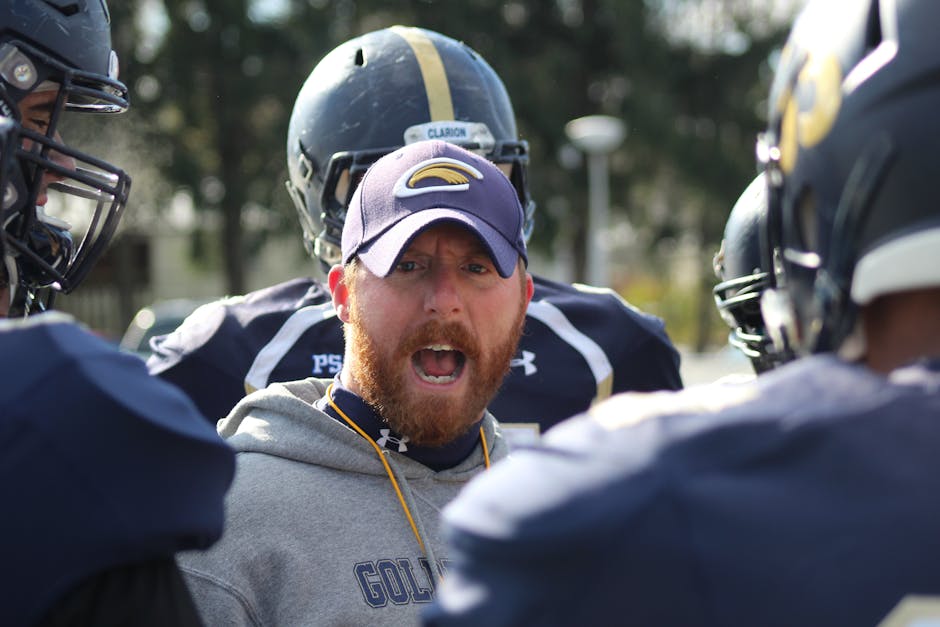
Key Themes to Track with Quinn's Defense
- Defensive Identity: What style are they emphasizing? Run-stopping, blitz volume, coverage schemes? Pressure Rates: How often Quinn’s defense generates quarterback pressure, a critical factor in forcing turnovers and limiting big plays. Coverage Consistency: Beyond sacks and tackles — how well is the secondary performing? Public Perception vs Betting Value: Navigating the gap between fan narratives and actual betting lines. Early-Season Market Adjustment: How opening lines and closing lines shift based on evolving data. Coaching Continuity and QB Stability: These two off-the-field factors heavily influence the defense’s real efficiency.
1. Defensive Identity: What Does Quinn Want?
Dan Quinn traditionally favors an aggressive, multi-front defense. Under his command, the Commanders are attempting to blend pressure-heavy calls while maintaining robust coverage zones. The biggest question is how quickly his system can gel as personnel settle in and injuries — common in August — are addressed.
Track how the team aligns: are they blitzing more? Are linebackers dropping into coverage more often to mask weaknesses in the secondary? The coaching staff’s adjustments in week-to-week packages reveal their confidence areas. One source I recommend for detailed film breakdowns and scheme analysis is the Football Film Room YouTube channel. Their content often highlights Quinn’s tactical fingerprints.
2. Pressure Rates: The Heartbeat of Quinn’s Defense
The most telling metric Quinn’s defenses have historically relied on is pressure rate — the percentage of dropbacks resulting in a quarterback hurry, hit, or sack. Higher pressure rates correlate directly to forcing errors and turnover-worthy plays.
Tracking pressure metrics involves:
- Comparing Commanders’ pressure rate through the preseason and early regular season to league averages Observing which blitz packages produce consistent pressure and which get neutralized Checking situational pressure stats — e.g., third down, red zone — to gauge clutch performance
This data can usually be found on advanced stats sites but also through discussions in my Discord community, where we aggregate line movement and on-field performance in real time.
3. Coverage Consistency: Avoiding Big Play Vulnerability
Pressure alone isn’t enough if the secondary gives up explosive plays. Quinn’s defensive success depends on a stable secondary that can minimize yards after catch and avoid busts.
Key coverage metrics to track include:
- Completion percentage allowed against Commanders defenders Opponent yards per attempt (YPA) in passing plays Third-down conversion rates allowed Big plays (20+ yards) allowed per game
Consistency rather than flashy plays is the hallmark here. Early preseason stats tend to inflate variability due to backup players and skewed opportunities — don’t chase those numbers blindly.
4. Public Perception vs Betting Value: Where's the Edge?
The Commanders often get drafted by public narratives—especially in Washington’s passionate fanbase—into “redemption” or “breakout” storylines. Yet, as I detail in my Sunday notebook of closing lines vs openers, the sharp money typically fades these early enthusiasm spikes quickly.
Be wary of overhyping preseason performances or https://casinocrowd.com/chicago-bears-2026-betting-value-is-the-rebuild-label-outdated/ injury downplays from media reporting. For example, a key defensive starter with a tweaked hamstring in August is not “ready to roll” simply because the coach says so. Injury transparency in August is almost always incomplete.
Instead, find your edge by line shopping—different sportsbooks adjust lines variously as they incorporate real-time injury info and game film analysis. Avoid lazy narratives; focus on objective data and how markets respond to evolving info.
5. Early-Season Market Adjustment: Opening Lines to Closing Lines
August and September lines often shift substantially based on training camp reports and early game glimpses. From my experience tracking over 9 years, the Commanders’ defensive lines tend to open with conservative pricing then adjust quickly once the public and sharps understand the true on-field makeup.
This process provides betting opportunities:
Identify early overreactions to sensational preseason plays (both positive and negative) Observe when lines move in favor of or against the Commanders’ defense as injuries develop or coaching wrinkles become apparent Exploit mispricings by focusing bets around pressure rate changes and coverage breakdowns, rather than box score totals or simplistic narrativesMy recommended strategy: Record opening and closing lines weekly using your notebook or join the Discord group to compare notes with other bettors focused on defensive trends and market adjustments.
6. Coaching Continuity and Quarterback Stability
Lastly, don’t separate defense performance from the Commanders’ coaching and quarterback questions. Dan Quinn is in Year 2, so expect some improvement from continuity versus last year’s transition phase. However, fluctuating return-to-play timelines and new play-calling tweaks can muddy early season footage.
Quarterback stability and development also matter indirectly; a struggling offense can result in the defense spending too much time on the field, skewing fatigue and pressure data. Conversely, a stabilized offense can shorten drives against the defense, making raw stats less meaningful but giving fresh legs for high-effort pressure plays.
In betting terms, this means carefully cross-referencing Commanders’ QB health and performance indicators with defensive splits before making wagers involving their defensive units’ expected success.
Summary Table: What to Track on Commanders Defense Under Dan Quinn
Key Area Metrics to Monitor Typical Source Betting Application Defensive Identity Blitz rates, run vs pass splits, alignment variations Film breakdowns, YouTube (e.g. Football Film Room) Anticipate game script & make situational bets Pressure Rates Pressure %, sack %, QB hits/hurries per play Analytics sites, Discord community updates Gauge turnover potential & pass defense efficiency Coverage Consistency Completion %, YPA allowed, 3rd down stops, big plays allowed Advanced stats portals, film analysis Predict opponent scoring and big play risks Public Perception vs Value Preseason hype vs market line moves Line tracking tools, Sunday notebook, Discord discussions Find betting value by shopping lines & ignoring hype Early-Season Market Adjustment Opening vs closing lines, injury updates sportsbooks, injury reports, Discord Identify edges as market reacts to new info Coaching/QB Stability Coach tenure, QB availability, offensive efficiency Team reports, injury logs Contextualize defensive stats, fatigue factorsFinal Thoughts
Tracking the Washington Commanders’ defense under Dan Quinn requires patience, nuance, and a willingness to wrestle with the granular numbers instead of succumbing to simplistic narratives. Pressure rates and coverage consistency hold the keys to understanding their evolving defensive identity. Meanwhile, early-season market movements present rich opportunities for bettors who stay disciplined with line shopping and resist the urge to overweight preseason performances or underestimate August injury impacts.

For ongoing updates, detailed stat conversations, and line movement insights, I recommend joining our Discord community and subscribing to trusted YouTube channels for film analysis.
Remember: consistent success in betting the NFL defense is rooted in tracking what really moves the needle — soar above the noise, and you’ll find value others overlook.