In live online roulette, timing is everything. As the roulette ball spins around the wheel, players place bets, eagerly anticipating where it will land. But a perennial challenge for live casino operators is preventing late bets—wagers placed after the ball has landed or the betting window should have closed. Ensuring betting window integrity is crucial for fairness, trust, and regulatory compliance.
In this post, we’ll explore the WebSockets casino technical and architectural solutions behind cutting off late bets in live dealer roulette games. We’ll zoom in on the interplay between live dealer vs RNG architectures, latency budgets, and real-time client interaction via WebSockets. We’ll also clarify the often overlooked role of adaptive bitrate streaming and encoding ladders in maintaining smooth, synchronized timelines critical for fairness.
Live Dealer vs RNG Architecture: Contrast in Timing and Transparency
Before diving into how late bets are prevented, let’s define the two dominant roulette architectures:
- Live Dealer Roulette: Real croupiers spin a physical roulette wheel in a studio or casino. A high-definition video stream broadcasts the game to players in real-time. RNG Roulette: A software-based random number generator determines the ball’s landing position immediately upon bet closure. No live video feed is involved.
Timeline synchronization looks very different between these models. RNG roulette can instantaneously close bets and generate results, making late bet prevention more straightforward at the server level. The transparency challenge is that players don’t see a live event; they see a simulation, requiring trust in the RNG’s fairness.
Live dealer roulette, meanwhile, requires synchronizing bets with a real-world, physical event — the spinning ball — transmitted over networks with inherent delays. The question becomes: How do sites keep the betting window integrity intact when hundreds or thousands of players watch and interact in real-time over imperfect internet connections?
Latency Budgets and Fairness: What Breaks First At Peak Load?
“Latency budget” is jargon for how much delay the system can tolerate before user experience or fairness erodes. In live roulette, key latency considerations include:
- Capture latency: Time from the ball landing to video frame capture by the camera Encoding latency: Time taken to compress video into bitstream Network transit latency: Time video and data take to reach player devices Client rendering latency: Delays processing video and UI actions on the player’s device Server bet processing latency: Time server takes to close betting window and register bets
Any delay in these stages increases the risk players see outdated information, allowing unfair late bets. Operators architect their platform to keep the latency budget tight enough so the roulette ball landed event on player screens coincides closely with the backend bet cutoff.
At peak load, network jitter or hardware bottlenecks might threaten this budget. The key question: what breaks first at peak load? It’s usually network delays or stream buffering. Thus, operational strategies focus heavily on minimizing network transit variability and ensuring timeline synchronization across players.
Real-Time Client Interaction Via WebSockets
Traditional HTTP request-response communication is too slow and clunky for live betting. Instead, live casinos use WebSockets, a protocol enabling bidirectional, persistent connections between the casino backend and each player’s client.
WebSockets allow the server to instantly push UI time updates, betting windows, and game state changes to clients, and receive player actions (bets) with minimal round-trip time.
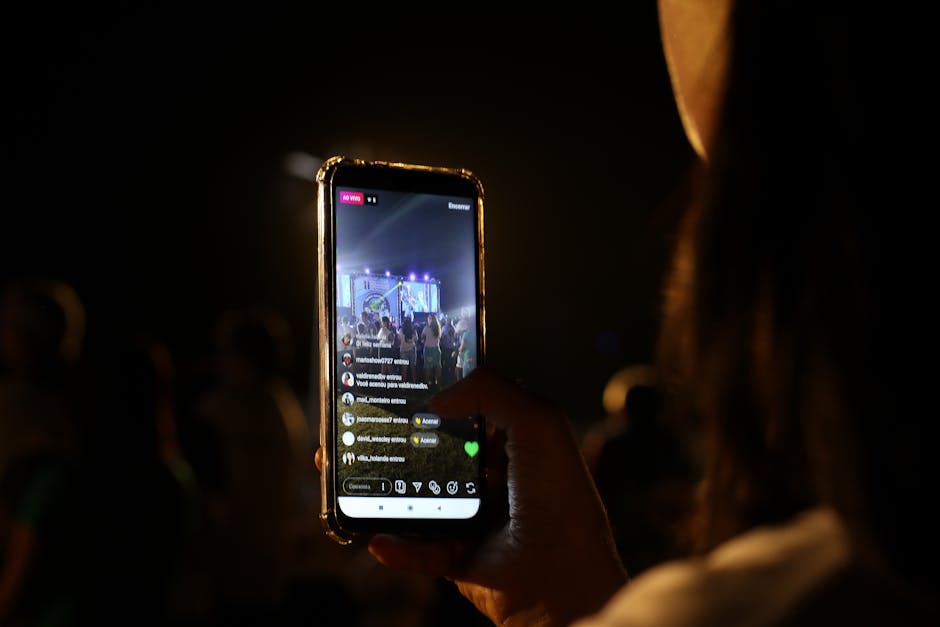
Here’s how this contributes to stopping late bets:
Real-Time Betting Window Signals: As the dealer spins the wheel, the server sends precise betting window open and close timestamps. Instantaneous Bet Authentication: Player bets travel over WebSockets, and the server timestamps and validates them against the betting deadline. Immediate Bet Closure: The server stops accepting bets the instant the betting window closes — often coordinated with the moment the ball appears to land on the live stream. Client Feedback: Players get fast UI feedback when betting closes, preventing confusion or attempts to place late bets.WebSockets reduce ambiguity about betting deadlines and remove the need for players to guess when to stop betting based on their local clocks, thereby upholding fairness.

Adaptive Bitrate Streaming and Encoding Ladders: Synchronizing Timelines at Scale
Streaming live video to thousands or millions of players globally is incredibly challenging. Bandwidth variability across users—and improving user experience—makes adaptive bitrate streaming a must-have technology.
Here’s the jargon translated: Adaptive bitrate streaming means the video player dynamically selects from multiple quality “rungs” or encoding ladder levels depending on available bandwidth and client performance. Lower-quality streams reduce buffering but have lower resolution; better connections get higher quality, smoother video.
Maintaining betting window integrity requires careful synchronization across these differing streams. Why?
- Each encoding ladder rung introduces different buffering times and latencies. Higher bitrates may buffer longer before startup, creating playback delays. Lower bitrates may smooth playing but introduce degradation in visual cues about when the ball landed.
To keep timelines tightly aligned:
Unified Timestamping: All streams embed timestamps aligned with the betting clock. The client decodes this to display betting window info accurately. Low-Latency Streaming Protocols: Operators favor protocols like WebRTC or low-latency HLS & DASH variants to reduce buffering lag. Strict Encoding Ladder Configuration: Ladder rungs carefully balanced to minimize startup delay differences. Server-Client Time Synchronization: Server periodically pings clients to calibrate clocks, ensuring bets are received and time-stamped fairly.Altogether, adaptive bitrate streaming isn’t just about quality—it’s central to ensuring the roulette ball landed event shown in the video stream is synchronized with when bets can no longer be placed.
What Operators Don’t Talk About (But Should): RTP, Bonuses, and Pricing Transparency
While live casino sites excel at thrilling real-time roulette experiences, one common mistake is glossing over or omitting critical fairness and payout metrics such as:
- Return to Player (RTP) values: Percentages that indicate theoretical payout over many spins. Pricing and fees: Any hidden rake, commission, or payment processing fees. Bonus amounts and wagering requirements: Terms impacting real player value.
These figures, while outside the core challenge of late bet prevention, contribute significantly to transparency and trust. They complement technical fairness by providing a full picture of expected player experience.
Operators focusing solely on betting window integrity without clear RTP disclosures or bonus terms risk eroding player trust — especially when real money is on the line.
Summary Table: Key Technologies vs Betting Window Integrity
Technology Role in Preventing Late Bets Potential Failure Mode Live Dealer vs RNG Architecture Live dealer requires tight timeline sync; RNG can close bets instantly Live video delays cause desync and late bets if unchecked Latency Budgeting Keeps cumulative delays below threshold for fairness Network jitter or server overload breaks timing guarantees WebSockets Enables real-time bidirectional communication for instant bet cutoff Poor signal or dropped connections can cause missed bet signals Adaptive Bitrate Streaming Supports smooth video aligned to betting timeline for all bandwidths Encoding ladder mismatches cause inconsistent delay perceptionsFinal Thoughts
Stopping late bets in live roulette is a complex dance of real-time video, low-latency communications, and workflow synchronization. It relies on orchestrating WebSockets for bet timing, carefully budgeting network and encoding latency, and leveraging adaptive bitrate streaming to maintain synchronized timelines for all viewers.
Perhaps most importantly, operators must be transparent not only about the betting window mechanisms but also about wager pricing, RTP values, and bonus terms. Only then can the entire roulette experience, from ball spin to bet settlement, be truly fair and trusted.
In your next roulette spin, remember: behind the glamour and excitement is a high-stakes engineering challenge making sure your bet counts—and counts only while the ball’s still spinning.