If you have ever spent time testing mobile apps, you know the sound: the chime of a push notification that breaks your focus. In the world of mobile-first casino design, these notifications are not just random interruptions. They are the engine behind user retention, meticulously engineered to keep you engaged with the platform. As someone who has spent nine years in mobile UX and product analytics, I often look at these patterns and see the exact mechanics of human behavior design at work.
You might wonder why these apps feel the need to ping your smartphone or tablet incessantly. It boils down to a fundamental conflict in mobile product strategy: the battle for attention on devices where the cost of switching applications is zero.
The Retention Strategy: Why Pings Matter
Retention is the single most important metric for any high-frequency entertainment app. When we talk about user retention, we aren't just talking about keeping a user registered; we are talking about keeping the https://varimail.com/articles/is-it-normal-for-casino-apps-to-track-your-behavior-yes-and-heres-why/ app in the "top of mind" category. On a smartphone, screen real estate is limited. If an app doesn't claim that space, a competitor will.
Casino apps rely on instant notifications to pull users back into a session. Unlike a standard retail app that might send a weekly sales update, a casino app operates on a "live" schedule. Whether it is a real-time live dealer game or a tournament status update, the notification serves as a bridge between the user’s offline life and the app's internal ecosystem. If the app stops sending these, the session frequency drops. In the metrics we track, a drop in session frequency is the precursor to total churn.
The Technical Necessity: Streaming and Latency
A major component of modern casino apps is the live dealer experience. This is not just a standard video feed; it is a complex intersection of cloud infrastructure and low latency delivery. To make a live game feel authentic, the lag between the dealer’s actions and the user’s screen must be negligible.
When you are dealing with streaming tech, you are dealing with a "stateful" environment. The game is happening in real-time, regardless of whether you are watching. Notifications are often used as a tool to bridge the gap in this live experience:
- Availability alerts: Letting a player know a seat has opened at a specific table. Tournament milestones: Updating a player on their standing in a live event. Dynamic transitions: Notifying a player that a transition is occurring in the game room, requiring their active input.
Without low latency, these notifications would be useless. If the app tells you "It's your turn" but the table has already moved on due to connection lag, the trust in the app evaporates. Developers use high-end cloud infrastructure to ensure that the message hits your device at the exact millisecond the game state changes.
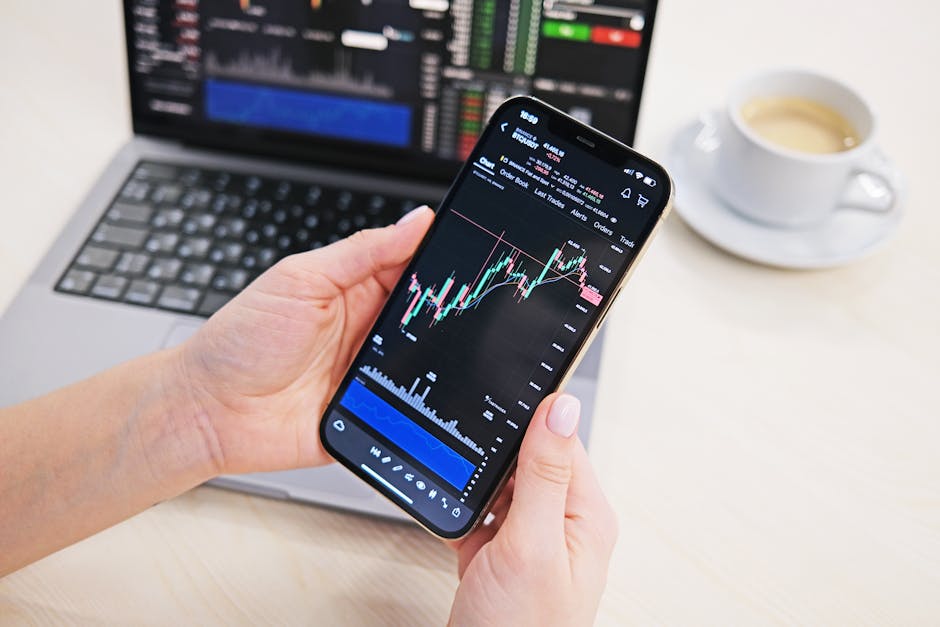
The UX Perspective: Mobile-First Design vs. Notification Fatigue
I have spent nearly a decade writing UX copy, and I know that "personalized" is the word developers use when they mean "targeted." Personalized promotions are rarely sent to everyone at once. They are triggered by user behavior—how long you played, what games you prefer, and when you usually open your tablet or phone.
When we discuss mobile-first design, we are usually thinking about layout and navigation. However, it also includes the "notification architecture." A well-designed app uses a logic flow that asks: "Is this notification adding value to the user’s current session, or is it noise?"
Notification Trigger Table
Trigger Type User Psychology Retention Impact Event Start FOMO (Fear of Missing Out) High: Drives immediate login Progress Update Sense of Achievement Medium: Maintains session continuity Re-engagement Habit Formation Low: Reminds users of the app Personalized Alert Status/Personal Value High: Increases perceived loyaltyIf an app sends too many re-engagement pings without providing value, users get annoyed and turn notifications off globally. That is the nightmare scenario for a product manager. Apps that do it right—like MrQ, which focuses on clean interfaces and straightforward interaction—tend to favor notifications that feel like part of the game environment rather than marketing spam. They prioritize the "live" aspect of the app, ensuring that alerts are tethered to the player’s specific activity within the room.
What the Industry Press Gets Wrong
If you follow outlets like TechCrunch, you often see articles praising the "explosion" of mobile gaming or the "unprecedented growth" of real-time streaming features. While the growth is real, the analysis often misses the friction. Reporters often call basic features "next-gen" to make them sound more exciting than they are. In reality, sending a timely notification triggered by a cloud event is a standard engineering task, not a revolutionary breakthrough.
The real story isn't the tech itself; it is the balance between instant notifications and user annoyance. When I look at a competitor's app, I check the load time on https://reliabless.com/how-do-casino-apps-decide-which-games-to-recommend/ 4G/5G mobile data. If it takes more than three seconds to load a live dealer stream, I know the app is failing the "low latency" requirement. When the app then sends me a notification to come back to that slow-loading experience, the strategy fails. It is not about the volume of notifications; it is about the quality of the service those notifications invite you to.
The Friction Checklist
In my line of work, I keep a "signup friction" red flag list. These are the things that tell me a product team is overpromising and under-delivering. Here is what I look for when testing casino app notifications:
Generic CTAs: Does the notification say "Come play!" or does it say "Your table is ready at [Game Name]"? Personalization wins. Frequency Capping: Does the app bombard me after I haven't logged in for two days, or does it respect my quiet hours? Deep-Linking: When I tap the notification, does it take me directly to the game screen or just the app home page? If it drops me at the home page, the developer has failed the UX test. Latency Check: Does the app open to a black screen while it catches up to the live stream? If so, the notification was premature.Conclusion: The Future of Notification UX
The push for so many notifications in casino apps is a symptom of a highly competitive market where every second of screen time is bought and sold. They aren't just "pinging" you because they can; they are doing it because their data shows that the gap between your last session and your next session is where they lose you. The challenge for these companies is to move from being an annoyance to being a utility. Using cloud infrastructure to provide real-time updates is smart; using that tech to spam users is a shortcut that eventually destroys long-term retention.
If you are frustrated by the volume, remember that you have the power. Most operating systems for smartphones and tablets allow you to drill down into specific notification categories. You can often keep the "game event" notifications on while turning off the "promotional" ones. As someone who writes these flows for a living, I encourage you to do exactly that. It forces developers to work harder to make their notifications relevant, and in the end, it forces the entire industry to provide a better user experience.